.jpg?width=100&height=55&name=Shift%20iQ%20Logo%20(web).jpg "Shift iQ Logo (web)")
Making Skills Visible, Wherever They Were Learned
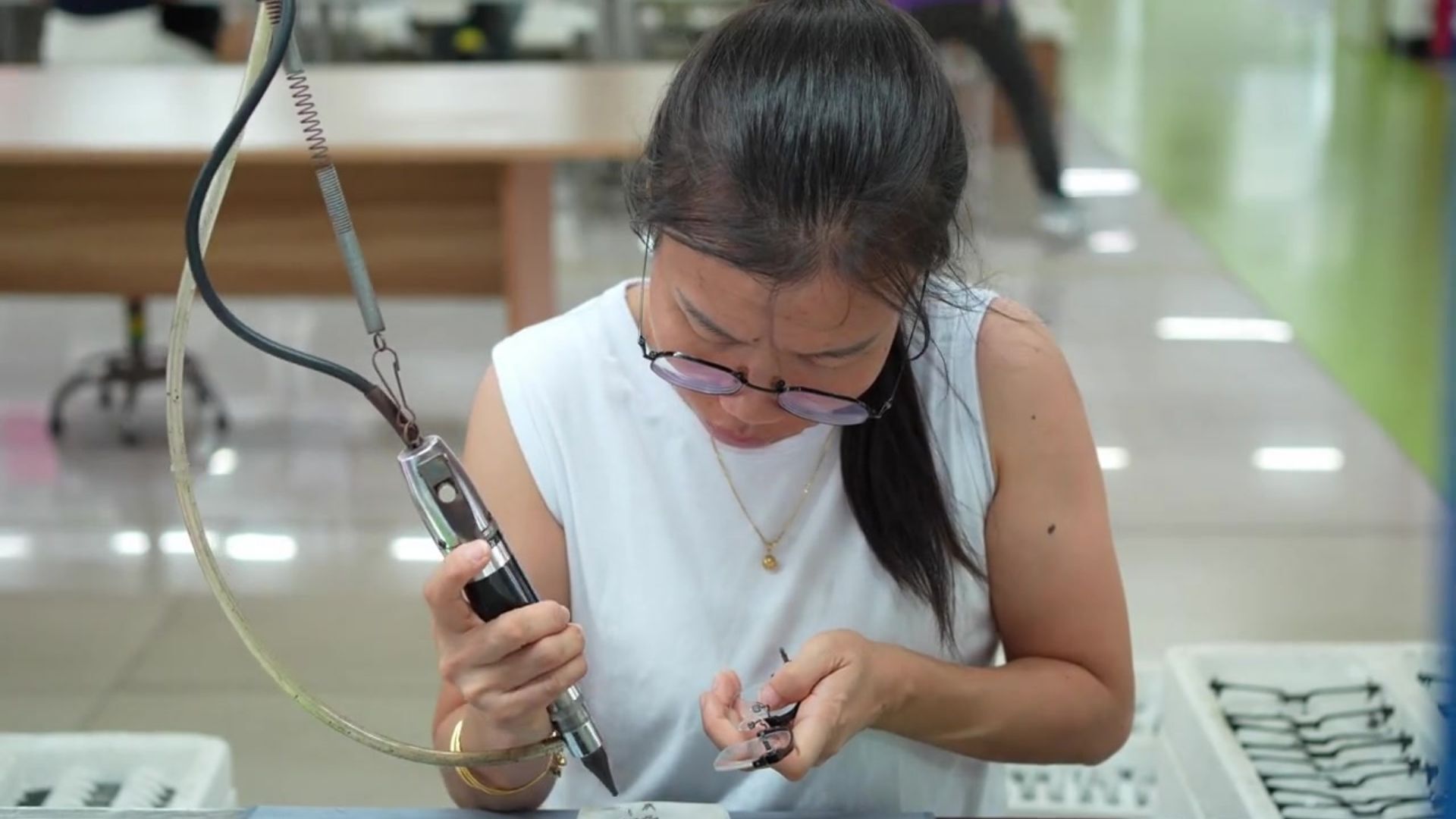
People build valuable skills through work, education, training, mentorship, independent learning, and everyday experience. When organizations can recognize and validate those skills, they gain a clearer picture of what people can actually do, while individuals gain new ways to demonstrate their capabilities and identify opportunities to grow.
Skills Can Come From Many Different Experiences
Formal education and structured training play an important role in developing skills. But they are only part of how people learn.
Someone may develop technical skills through years of work experience. They may learn new tools independently, take an online course, participate in industry training, work with a mentor, or build expertise through projects and problem-solving on the job.
These experiences can produce valuable knowledge and capabilities even when they do not result in a degree, certificate, or other formal credential.
The challenge is finding a consistent way to recognize what someone has learned.
Focus on What Someone Can Demonstrate
Education and credentials provide useful information about a person's background, but they do not always show the full range of skills that person has developed.
Looking directly at skills can provide another source of evidence.
Instead of relying only on where or how someone learned something, organizations can look at whether the individual can demonstrate the knowledge or capabilities required for a role.
Skills and competency assessments can help validate existing capabilities against defined requirements, giving organizations and individuals a clearer understanding of what someone already knows and can do.
This creates opportunities to recognize skills regardless of where they were developed.
Give People Credit for What They Already Know
Recognizing existing skills can be especially valuable when someone is entering a new role, returning to education, changing careers, or pursuing further training.
Without a way to validate previous learning and experience, people may be asked to repeat training in areas where they are already capable.
Assessing existing skills can help identify what someone has already mastered and where gaps remain.
That information can support prior learning recognition and help organizations create development paths based on actual needs.
For individuals, it provides a clearer picture of how their existing capabilities relate to new opportunities.
Connect Existing Skills With Career Opportunities
Making skills visible can also help people see where their experience could take them next.
Job titles do not always reflect everything someone knows or can do. Two people with different employment histories may have many of the same underlying capabilities. Skills developed in one occupation may also transfer to another.
When skills are mapped to roles or competency requirements, those connections become easier to identify.
A Workforce Development and Career Pathways approach can help organizations connect existing capabilities with role requirements, identify gaps, and show people what they may need to develop to move toward another opportunity.
Identify the Skills That Still Need Development
Recognizing prior learning does not mean assuming that every previous experience meets a current requirement.
Validation matters.
Comparing existing skills with defined competencies can show where an individual already meets expectations and where additional learning or experience is needed.
This creates a clearer starting point for development. Instead of beginning from zero, individuals can focus their effort on the specific areas they still need to build.
Organizations can also use that information to direct training toward identified needs rather than assigning the same learning path to everyone.
Create a Record of Skills and Achievements
Once skills have been demonstrated, people need a way to show what they have achieved.
Digital records and credentials can help capture verified skills, completed learning, and other achievements in a format that can be accessed and shared.
This can give individuals a clearer record of capabilities developed across different experiences while helping organizations understand the evidence behind those achievements.
Digital Credentials and Achievements can provide a way to recognize verified accomplishments and make them easier for individuals to carry forward as they continue learning or pursuing new opportunities.
Build a Clearer Picture of What People Can Do
People develop skills throughout their education and careers, often in ways that are difficult to capture through traditional records alone.
Recognizing those skills starts with identifying what someone knows, validating those capabilities against clear requirements, and showing where they connect with future opportunities.
For organizations, that can provide better information about the skills available across their workforce. For individuals, it can make previous experience visible and provide a clearer path toward further development.
Shift iQ connects competency frameworks, assessments, learning, career pathways, and digital achievements so organizations can recognize existing skills and help people build from what they already know.
Ready to recognize existing skills and create clearer paths for development?
See how Shift iQ can help you!
→ Explore how Shift iQ supports Workforce Development and Career Pathways.
→ Book a demo today or talk to one of our experts to see how Shift iQ can help you recognize existing skills and connect them with development and career opportunities.